
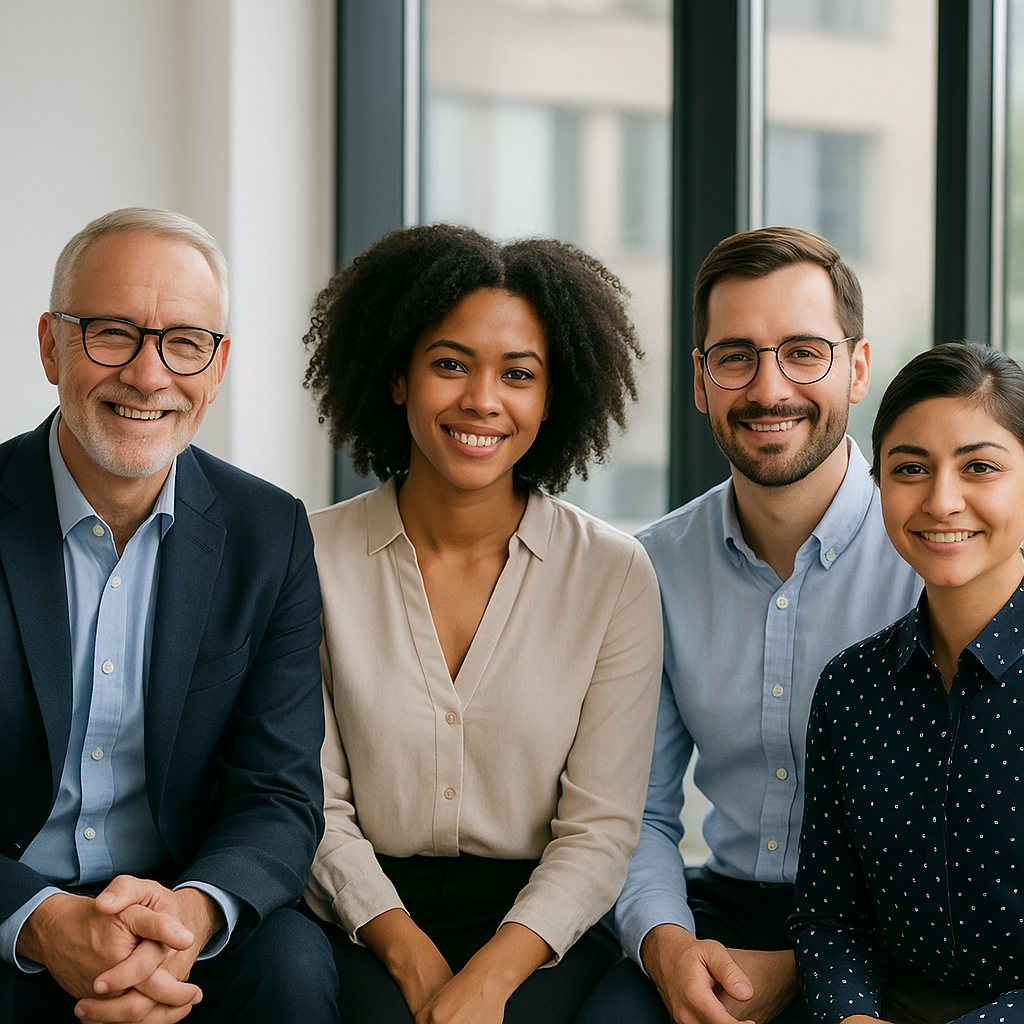
Prior to this unprecedented COVID-19 global event, having an excellent staff was important. Now more than ever, it's critical to have a good, if not great, relationship with your co-founders, staff, and investors in order to thrive in this distributed work environment.
From an investor's standpoint, the team has become paramount. An exciting concept is no longer sufficient on its own. A focus on sustainable business models, paired with a committed, coachable team, has taken root. There's a growing belief that a technology not immediately performing as intended is less of a problem than an uncoachable team. Probing the team's mindset -- specifically looking for signs of coachability, inquisitiveness, and willingness to learn -- is now a critical part of the diligence process.
Investors want to offer more than just capital; ideally, they contribute the tools necessary to take a company to the next level. For that to happen, the team has to be receptive. Every startup starts somewhere, and it begins with a team of people who can accept feedback and are smart enough to know that no one knows everything.
Our new reality is challenging a lot of archaic thinking: that expertise trumps character, that location improves productivity, that telework is inefficient. Given that nearly half the world is legally mandated to stay home, that last one is already out the window. The question is what replaces these old measures.
Ideally, we'll see a shift in how productivity itself is measured, and I suspect an individual's character will now play more of a factor than technical skill. We all know that co-worker who's a subject matter expert but is daunting to work with day to day, and who ends up dragging down the whole team's performance.
The ability to adapt to a distributed environment and work well with others is going to become a primary focus in most roles where expertise can be learned. There will be a real mental adjustment for people used to working in a designated physical building -- one that has to happen for management and investors alike. The idea of driving down the road to meet the CEO of a startup you just funded is gone.
If a job can be done remotely, there's a real opportunity to reduce building overhead -- less office space, less in the way of utilities and supplies. Employees lose the long commutes that back up highways, and while other forms of public transit might suffer as a result, that could mean a real reduction in carbon footprint too. We've long known our eating habits could be better, so instead of eating out every day for lunch, there's an opportunity to cook at home or actually break for lunch with someone you love -- and the cost of employer-sponsored lunches goes away along with it.
For a lot of people, the new reality is either unemployment or remote work where it's permitted. As employers weigh layoffs, downsizing, and restructuring through this pandemic, it raises the real question: how does our workforce move forward, and who's on your team?